OUJING NURSERY
Growing environments
Exploring connected activity areas
Spaces scaled for infants and toddlers
From floor-level exploration and low materials to quiet corners, spaces reflect young children’s size and rhythms. Younger infants need care and soothing; walkers need safe movement and choices.
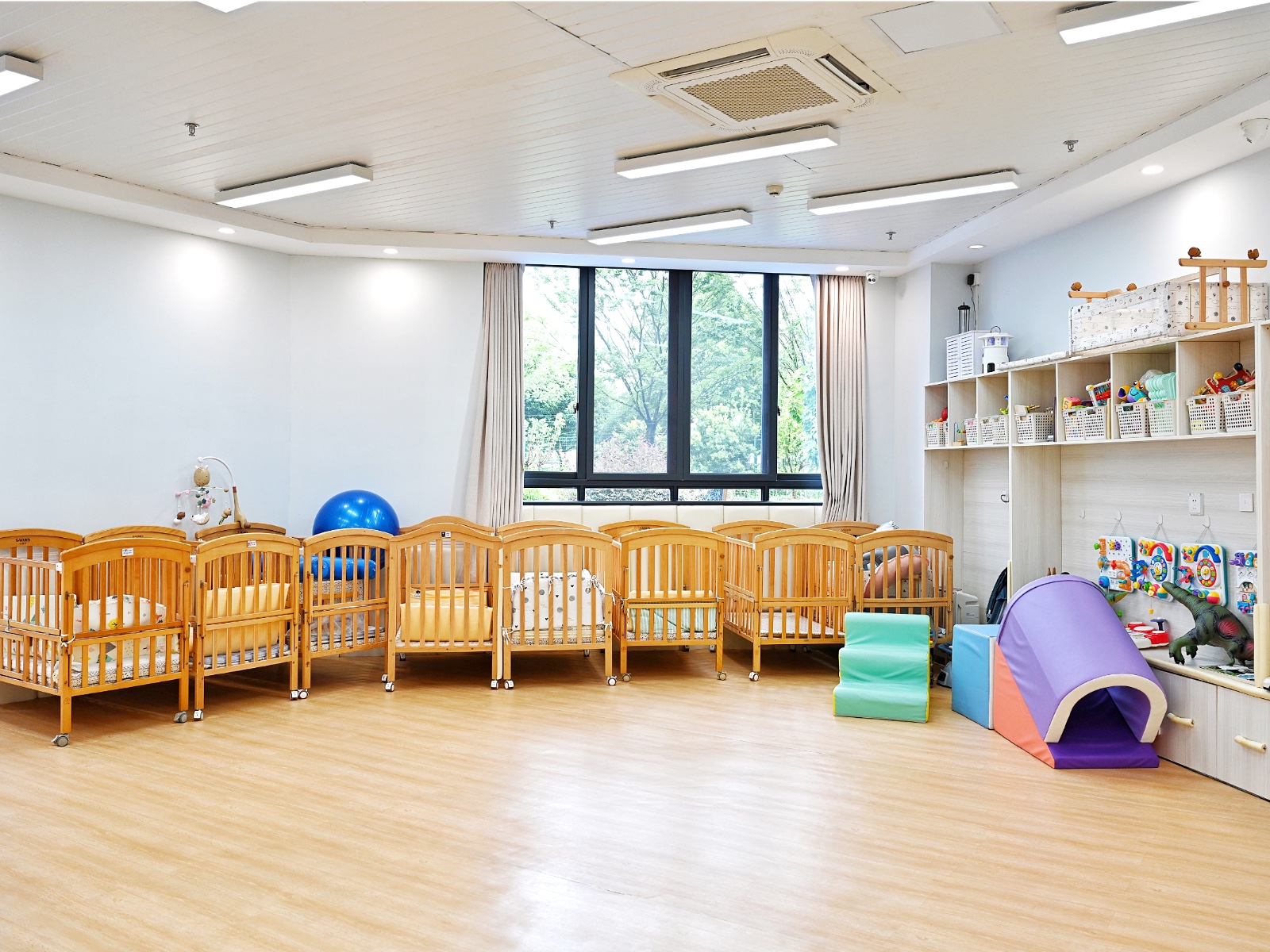
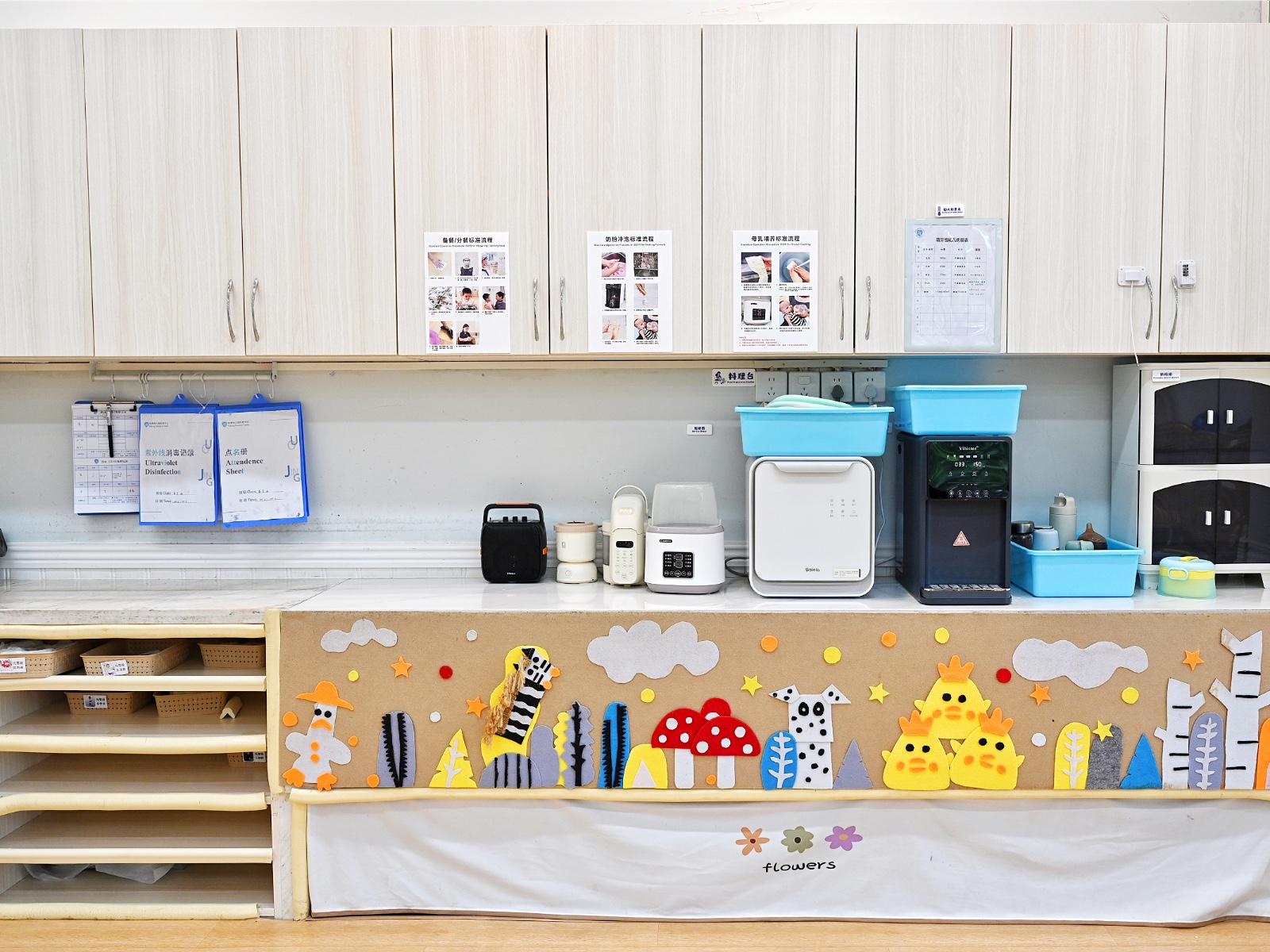
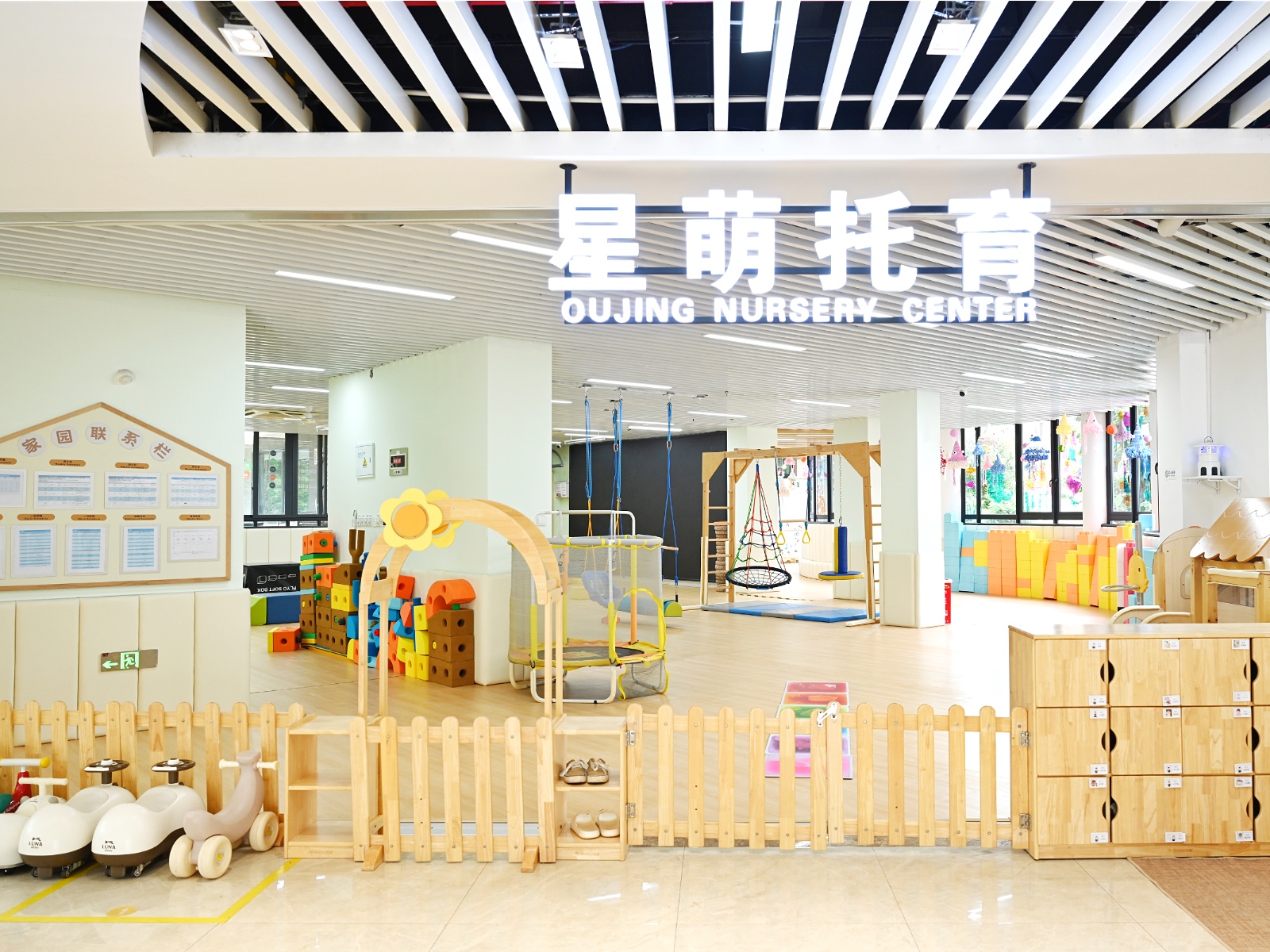
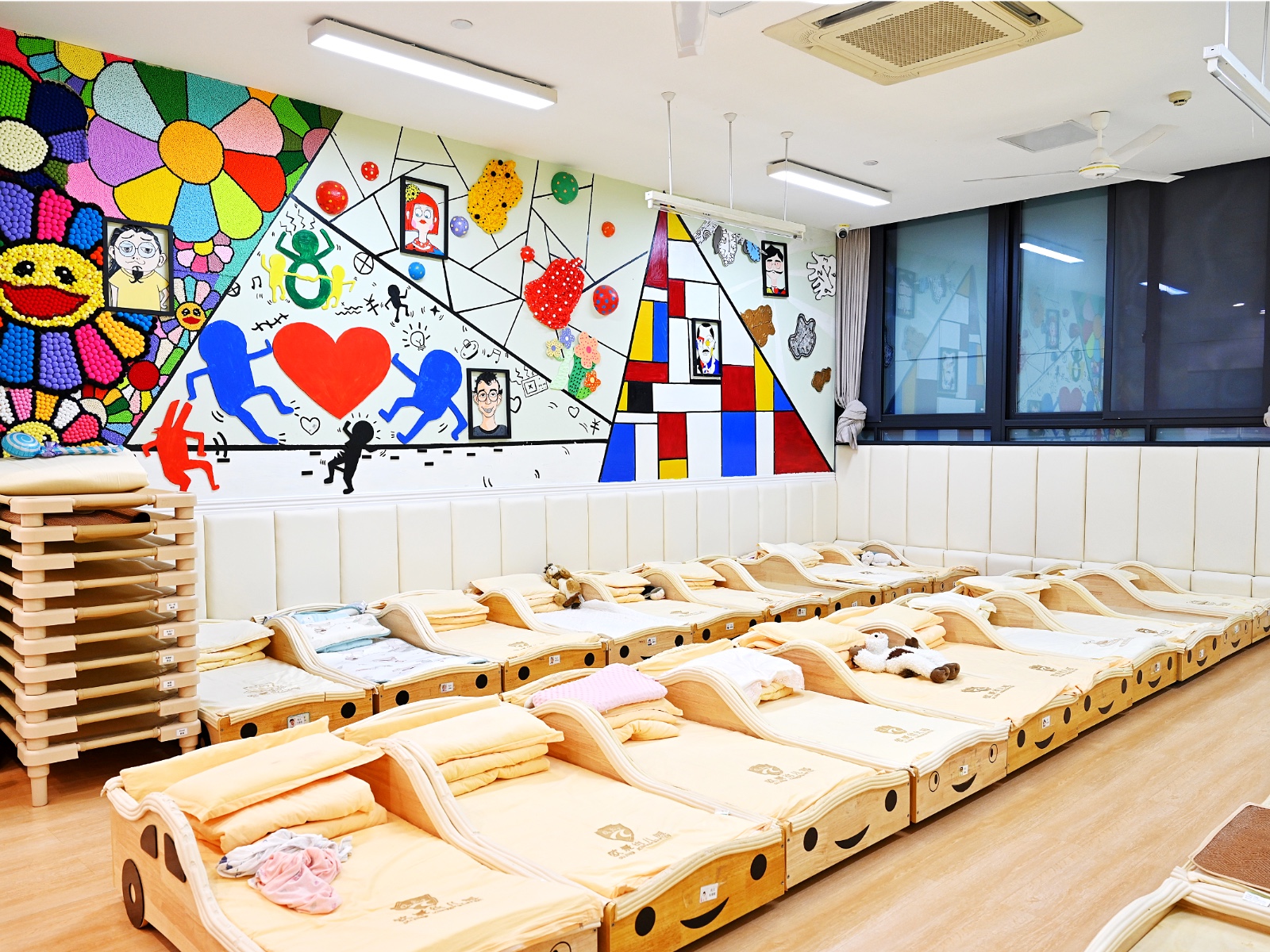
More photos
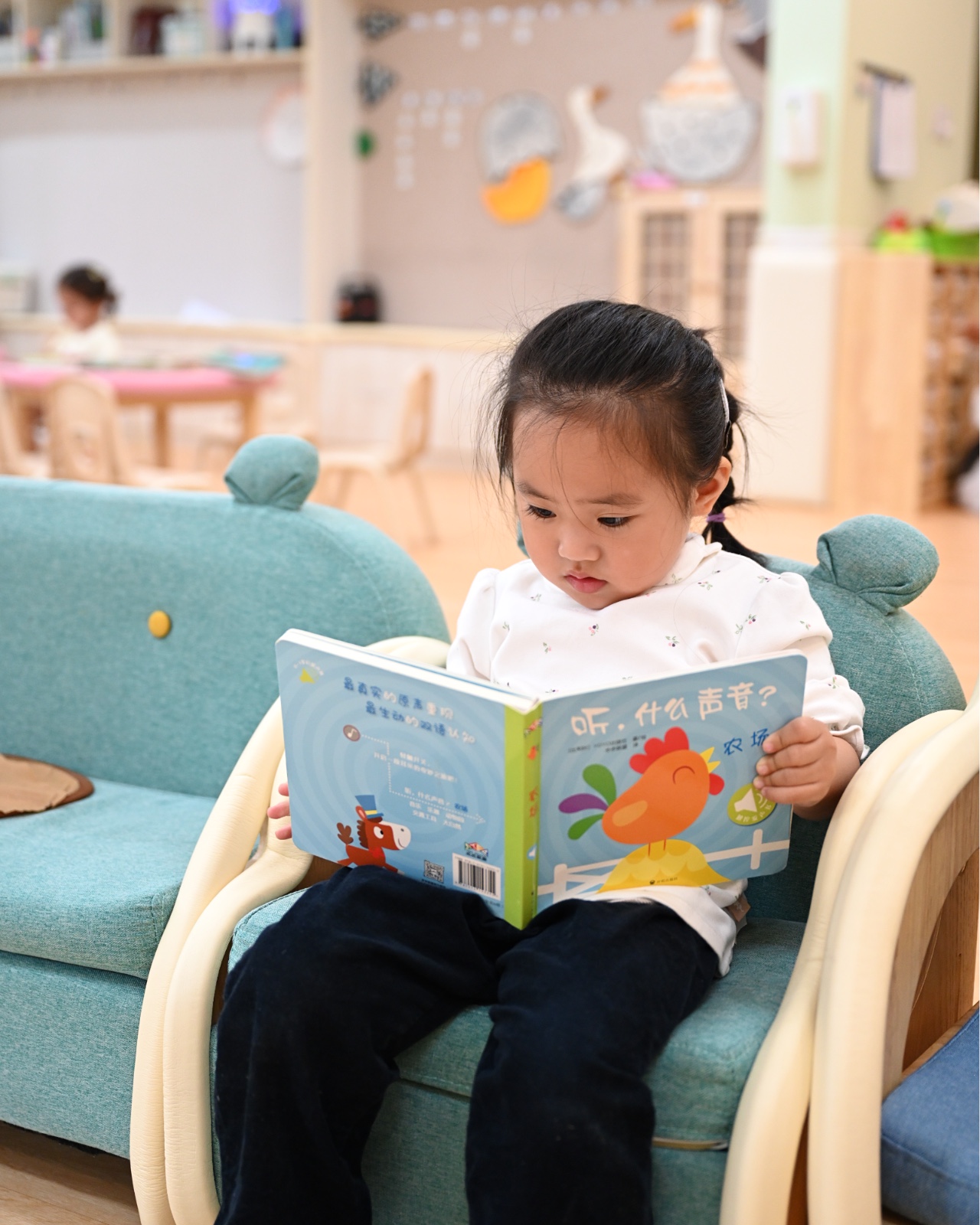
Twelve functional areas for exploration
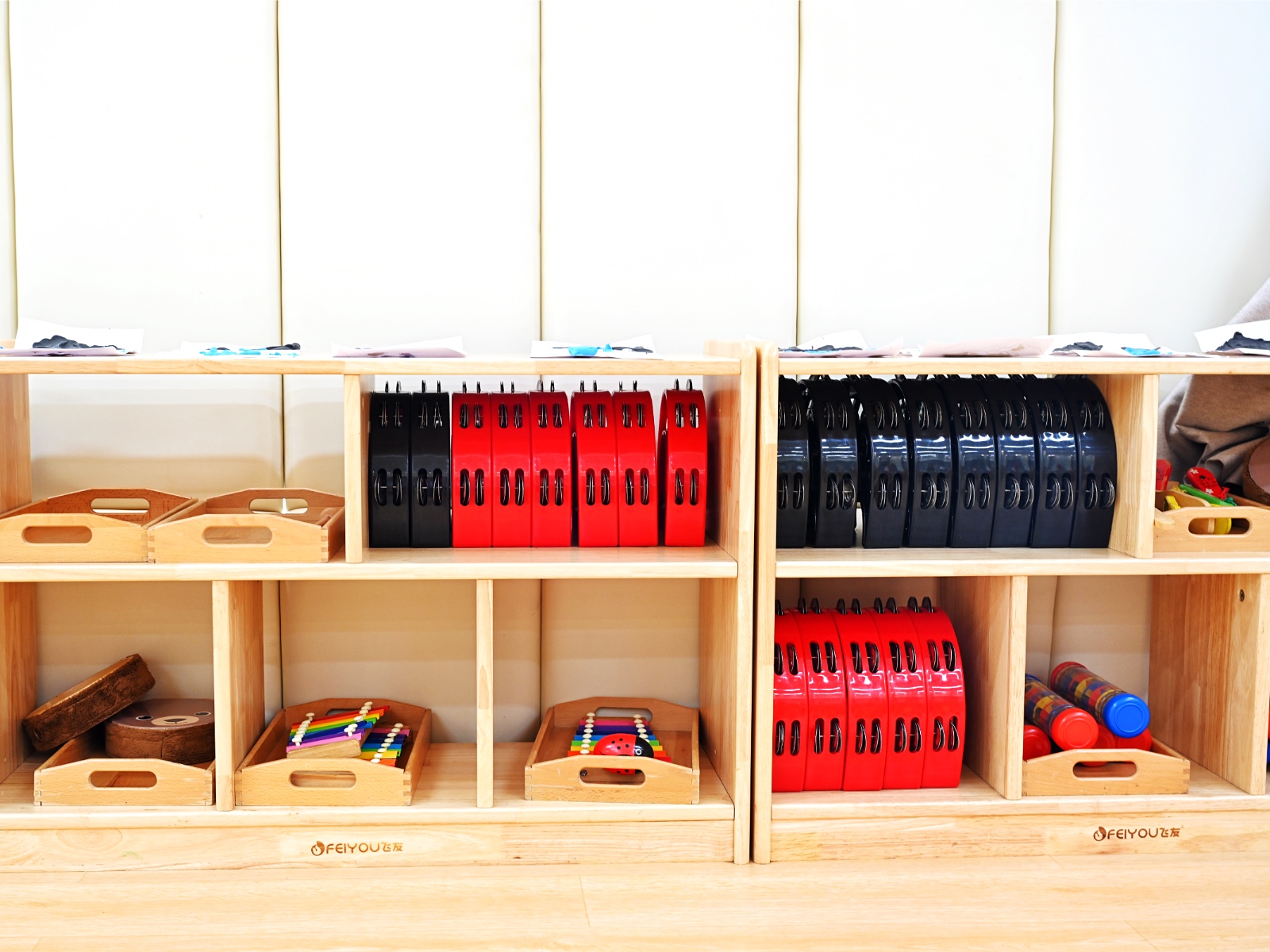
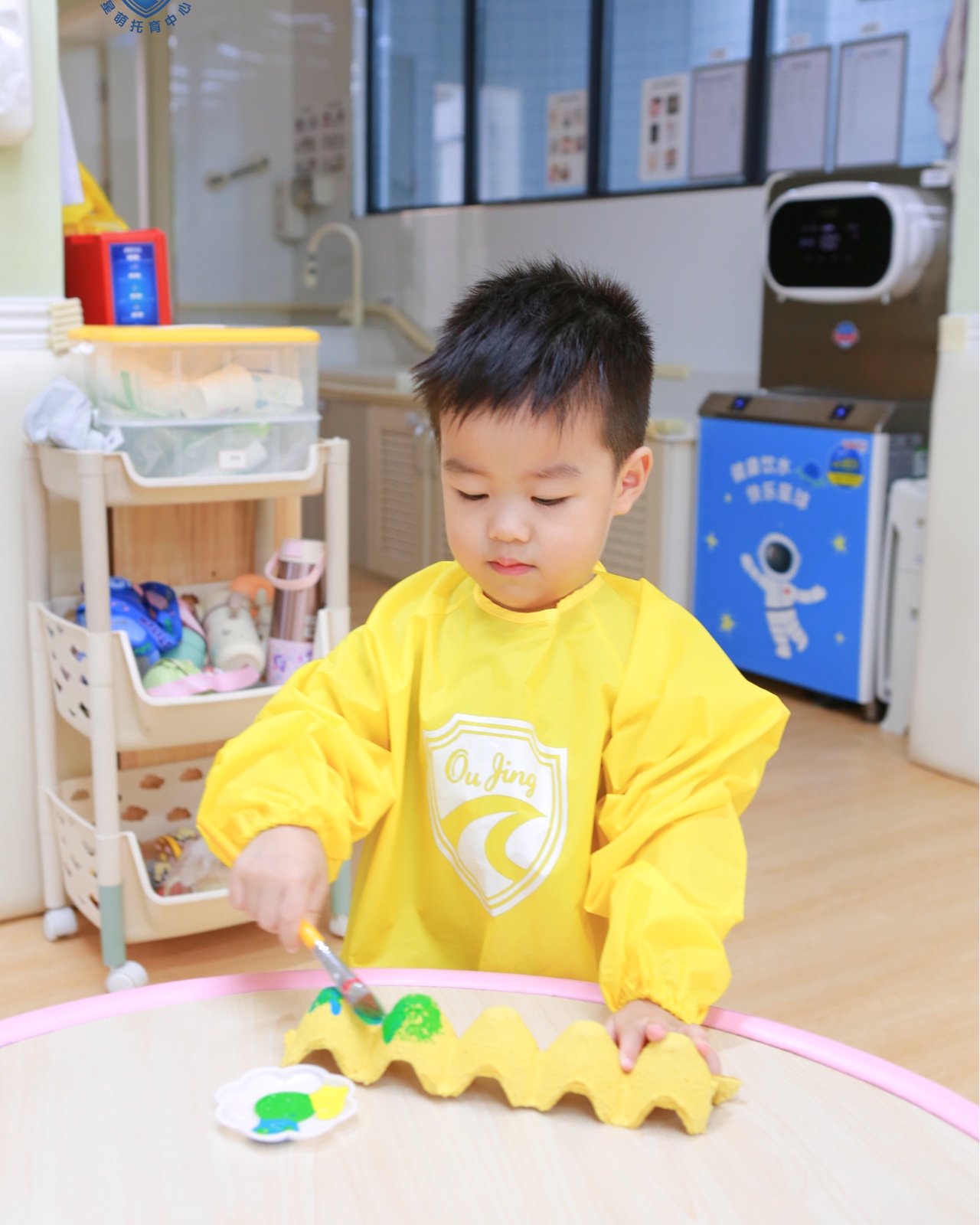
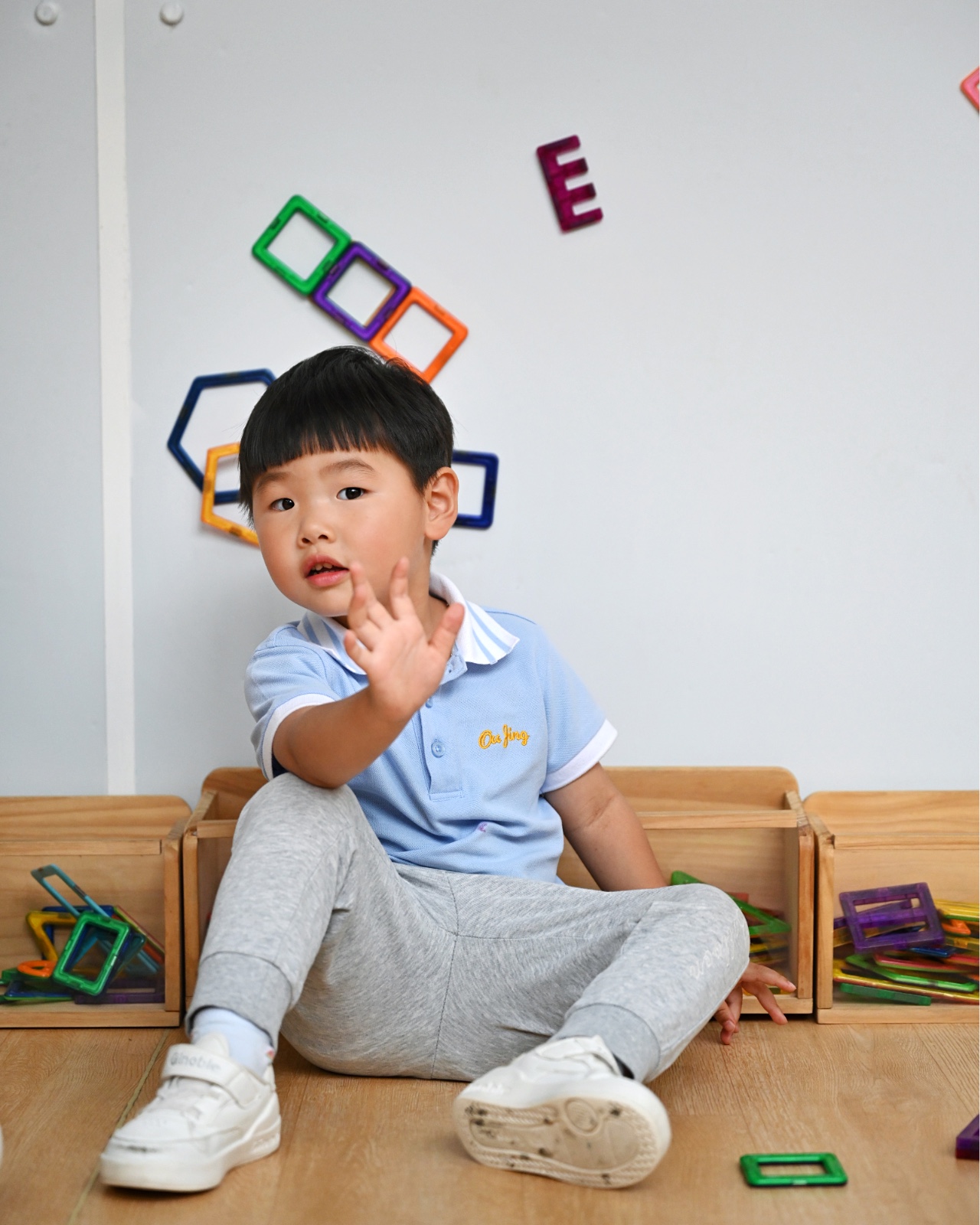
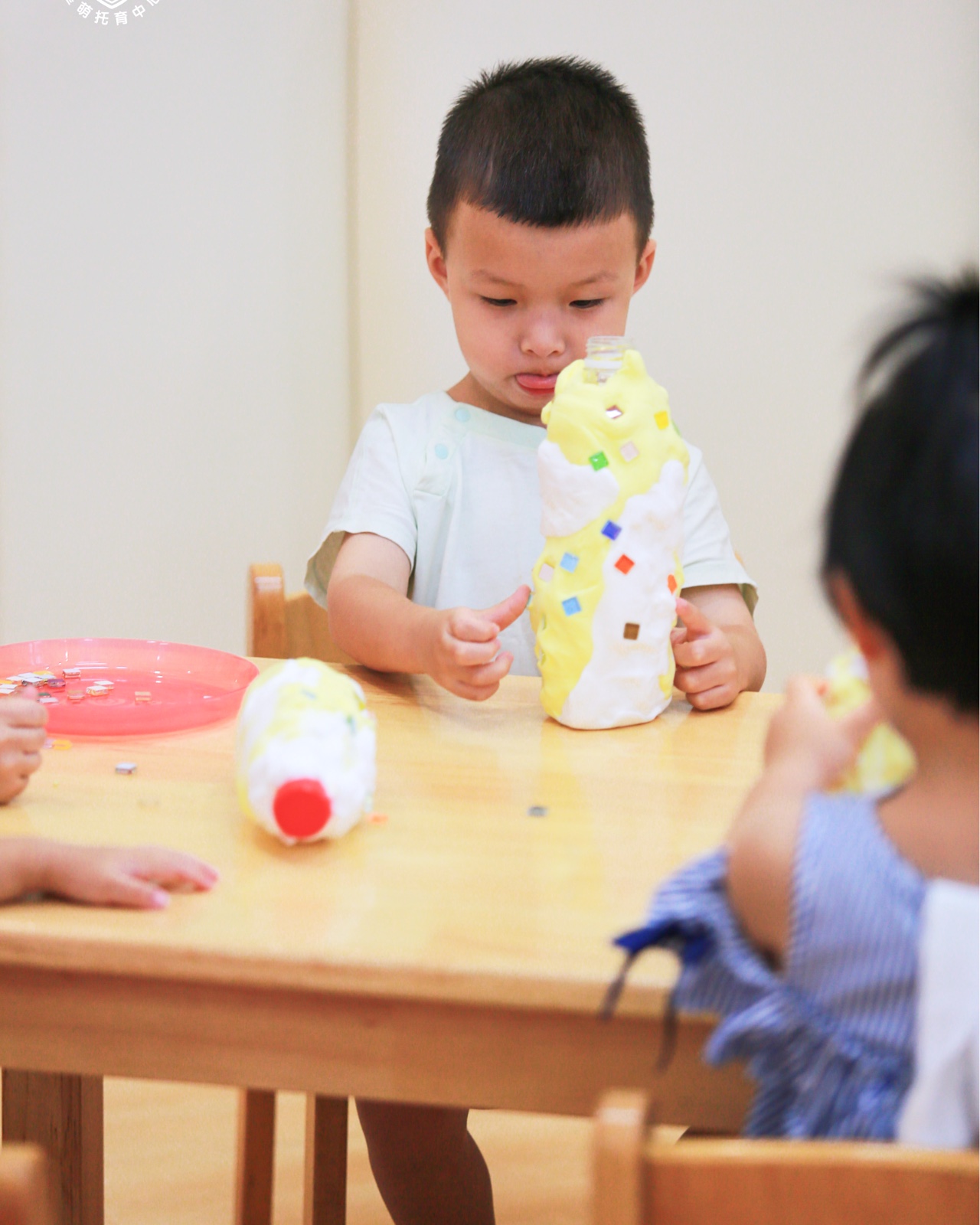
Materials list sensory integration, wall games, a LEGO wall, pegboards, magnetic tiles, a role-play kitchen, reading, vehicles, tabletop building, riding, busy boards and drawing areas. Actual areas and materials follow the current setup.
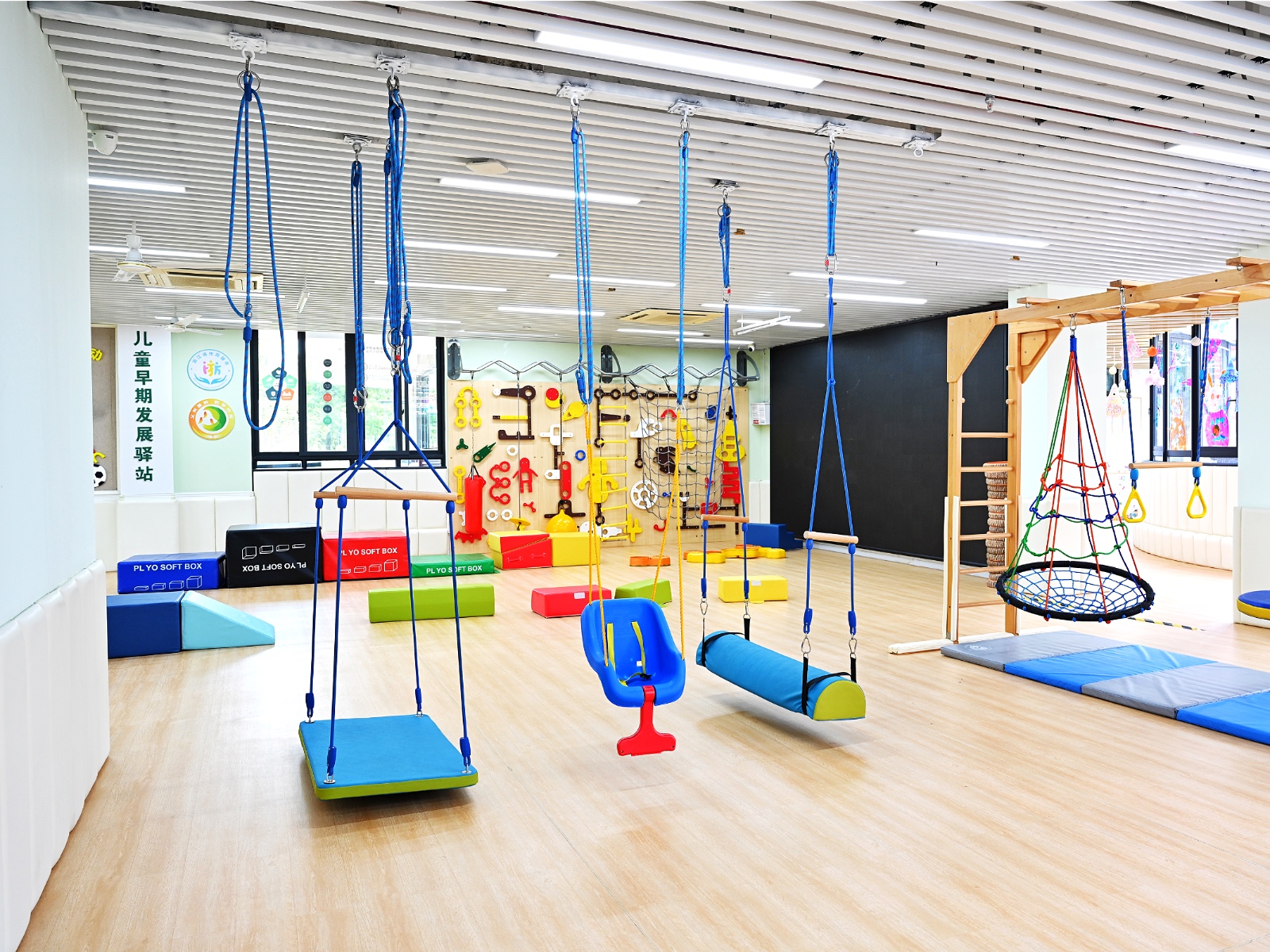
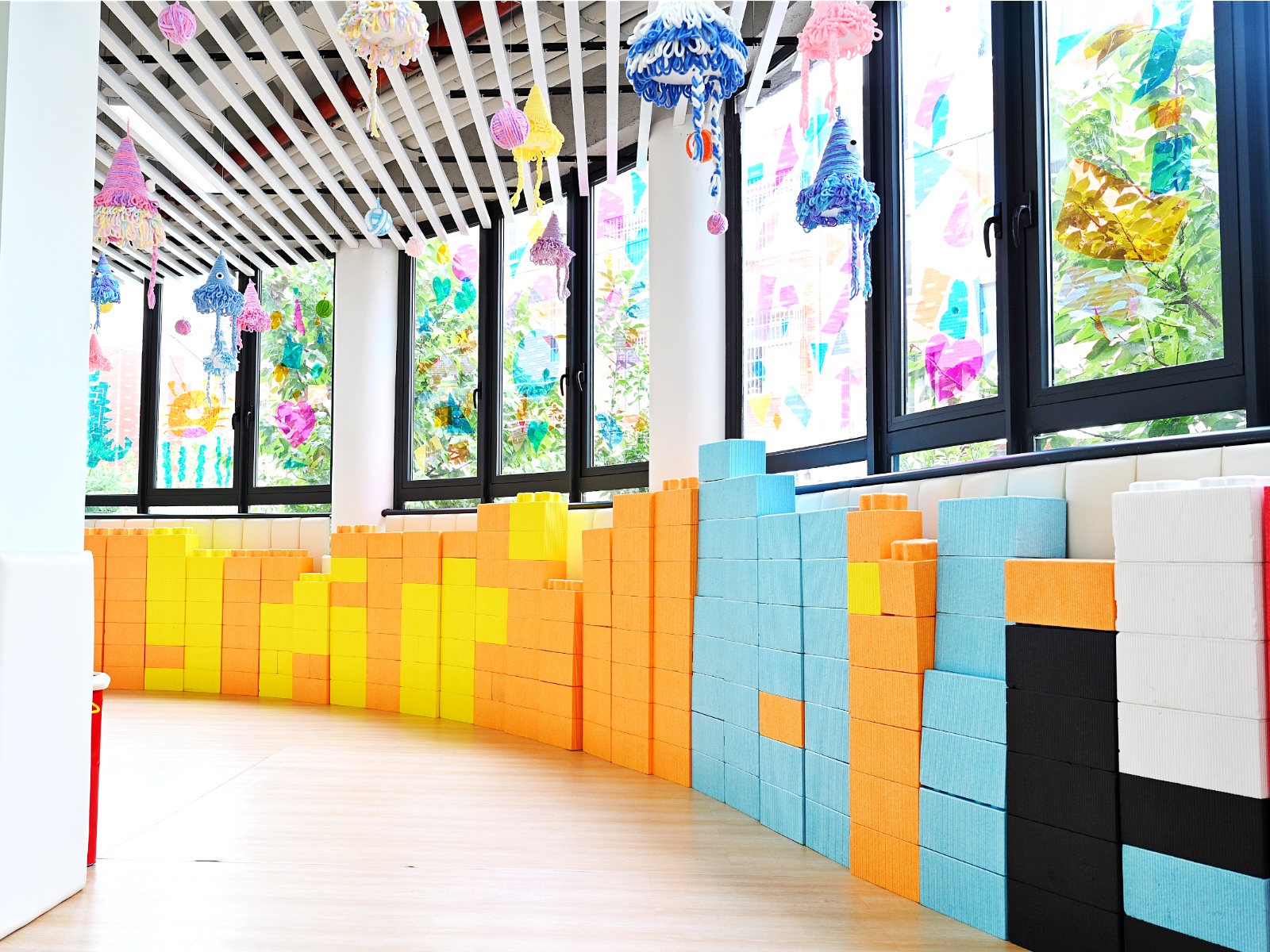
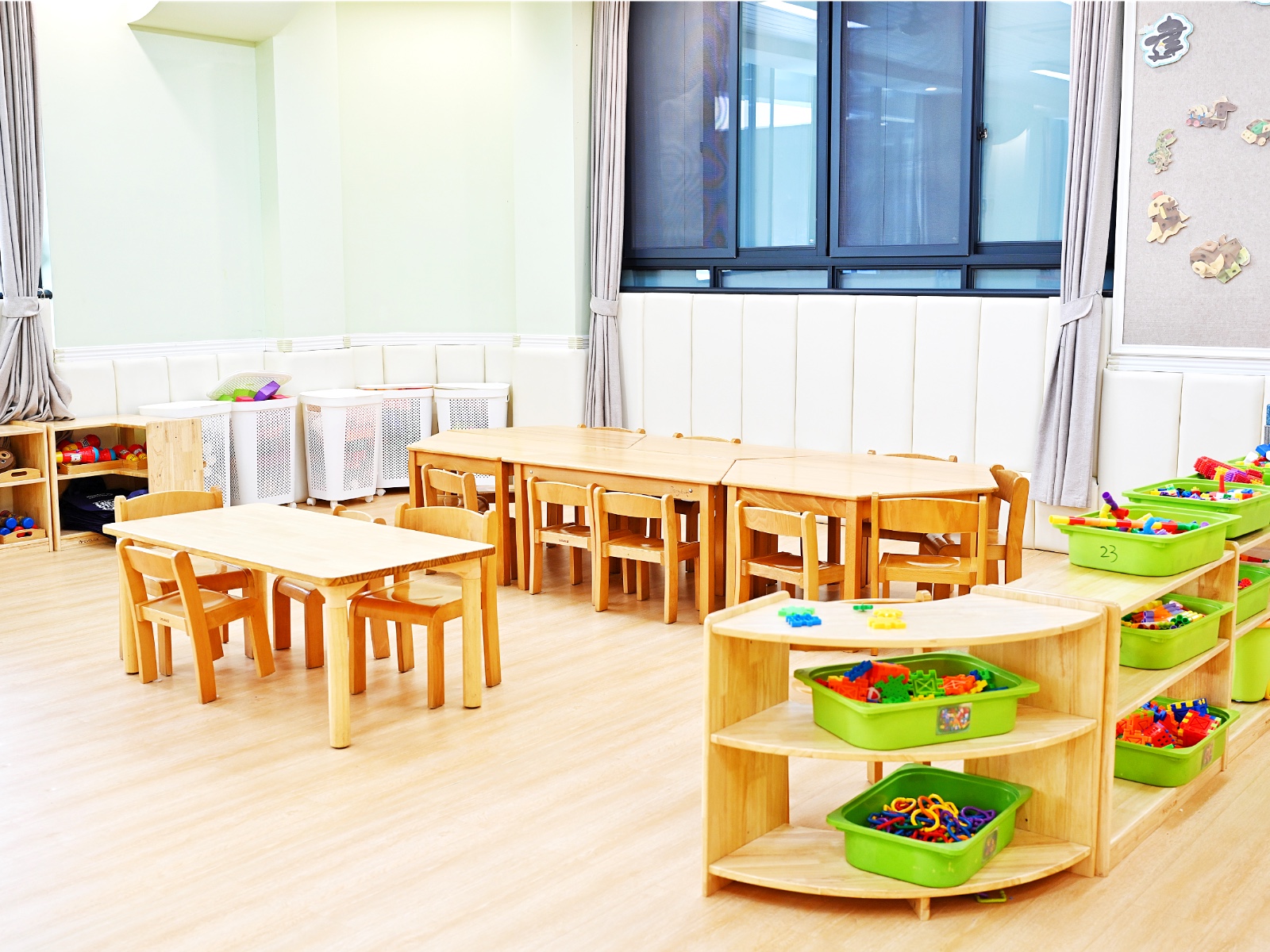
Moving between activities and spaces
Care teams guide children through suitable areas, adjusting materials to age and ability. Quiet and active spaces complement one another, with familiar adults and clear routines during transitions.
Explore the wider campus →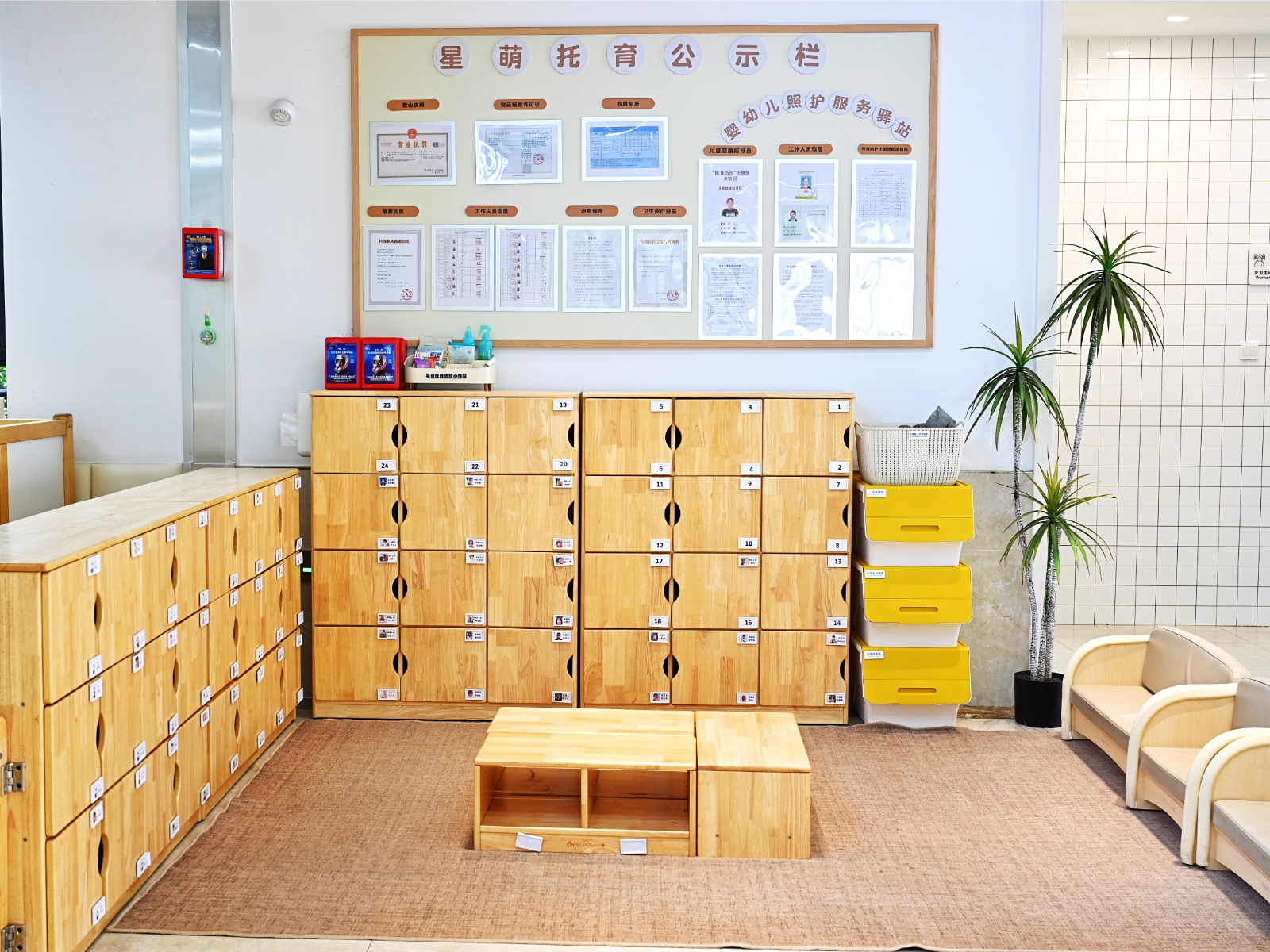
More photos
A guide for families
Understanding care groups and movement through shared spaces
At Xingmeng, moving beyond fixed classes still relies on organized care groups. The team forms groups with attention to age in months, development and each child’s pace of settling in. Guided movement through the setting means groups visit functional areas suited to the current activity, accompanied by the care team. Where children are, who accompanies them and how transitions happen all require clear organization.
Spaces for movement, reading, sensory exploration, building, role play and art offer different experiences. Familiar adults and clear routines are retained as groups move between areas, with attention to the balance between quiet and active activities.
Questions to explore during your visit
- How is a transition between areas organized, and how do caregivers pass on information?
- How do materials and activities respond to a child’s current needs for movement, expression and rest?