OUJING NURSERY
Daily care
Meals, sleep, care and health observation
Care within daily rhythms
Handovers, feeding, play, exploration, rest and collection attend to physical and emotional needs. Younger infants’ feeding and sleep follow individual rhythms.



Age-appropriate feeding and family handovers
Information from families about the child’s milk intake, complementary foods, eating habits and dietary restrictions informs nursery arrangements. Feeding records are considered alongside sleep, toileting and mood records; specific meals, feeding and allergy procedures should be confirmed under current school policies.

Standard procedures in everyday details
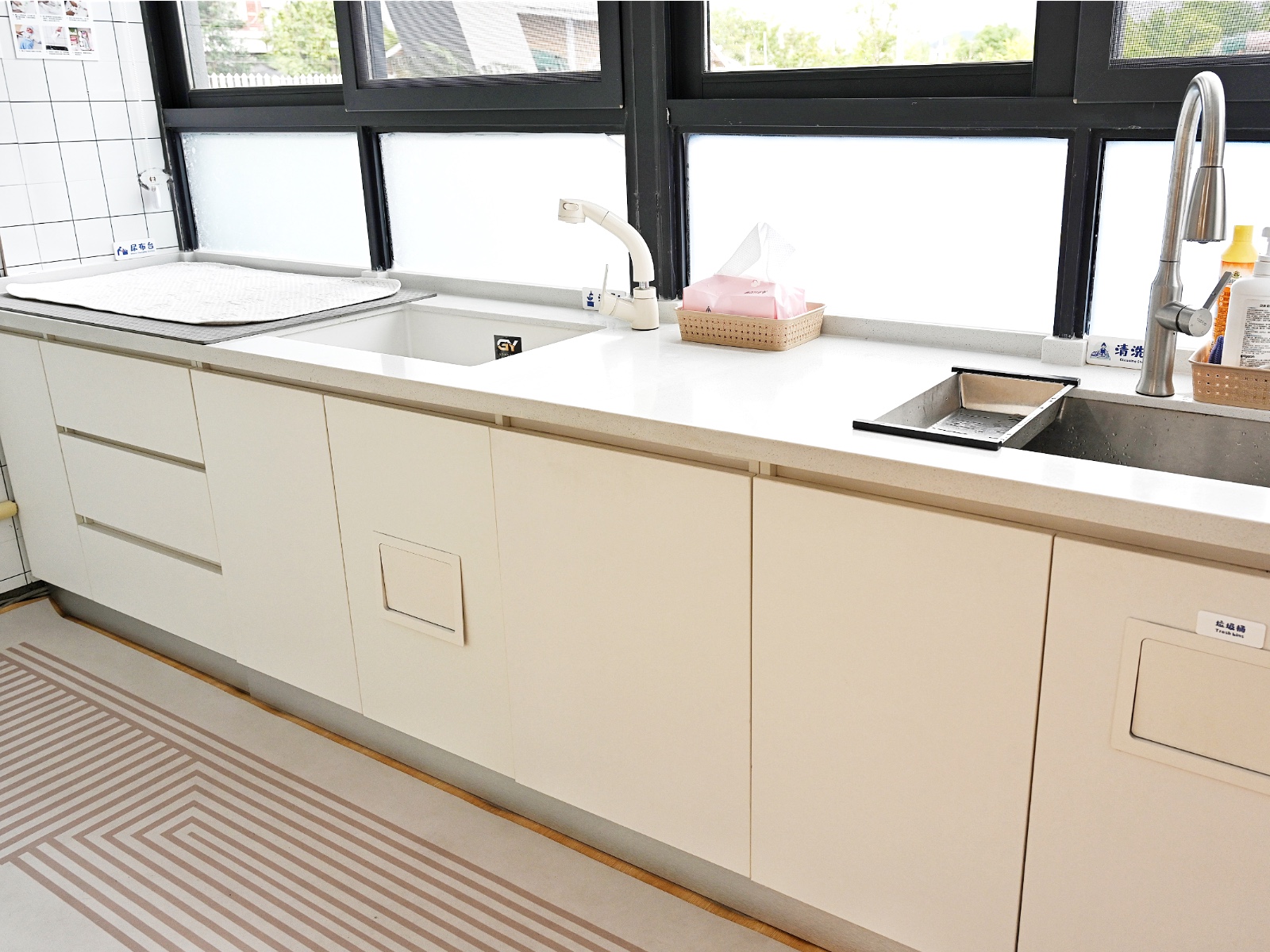
School materials cover diaper changes, cleaning, washing feeding equipment and cups, and toileting support. Preparing supplies, hand hygiene, care handovers, telling children what comes next and tidying away are all part of the process. Toileting support respects readiness and individual rhythms.
Health observation and safe care
Materials describe morning, midday and collection observations, ventilation, cleaning, supervision and communication about concerns. Bumps and incidents require prompt care, family notification and review. Illness and medication follow health staff guidance and current policies.
Developmental observation and family feedback
Ongoing records cover feeding, sleep, toileting, emotions, participation and changes. Specific observations explain attempts and needed support to families, respecting different developmental rates.
A guide for families
Seeing responsive care in the daily routine
Responsive care means observing a baby’s gaze, sounds, movements and emotions, understanding needs in context, then adjusting the adult’s actions and pace. Before feeding, cleaning, changing a nappy or preparing for rest, caregivers explain what will happen next. They offer choices, time and help where the child can take part.
Daily observations and teamwork belong together. Eating, sleep, emotions and participation in activities help caregivers understand how the child is doing that day. When staffing rotates, familiar caregivers are retained and changes are introduced gradually after the child is emotionally settled at nursery. Clear routines and familiar relationships work together to support everyday care.
Questions to explore during your visit
- When a baby turns away, reaches out or cries, how do caregivers use the context to understand the need?
- How are observations of daily life and ways of comforting the child passed between caregivers?