OUJING NURSERY
Starting nursery and settling in
Services and settling in
A gradual settling-in process
From short familiarization visits to longer stays and settled participation, each step responds to feeding, sleep, emotions and relationships with caregivers. Timings follow the current agreed plan.

Getting to know each child before starting
Discuss routines, feeding, comforting preferences, health and special considerations, then agree a settling plan together. Ask about current availability of full-day, half-day, monthly and temporary care.

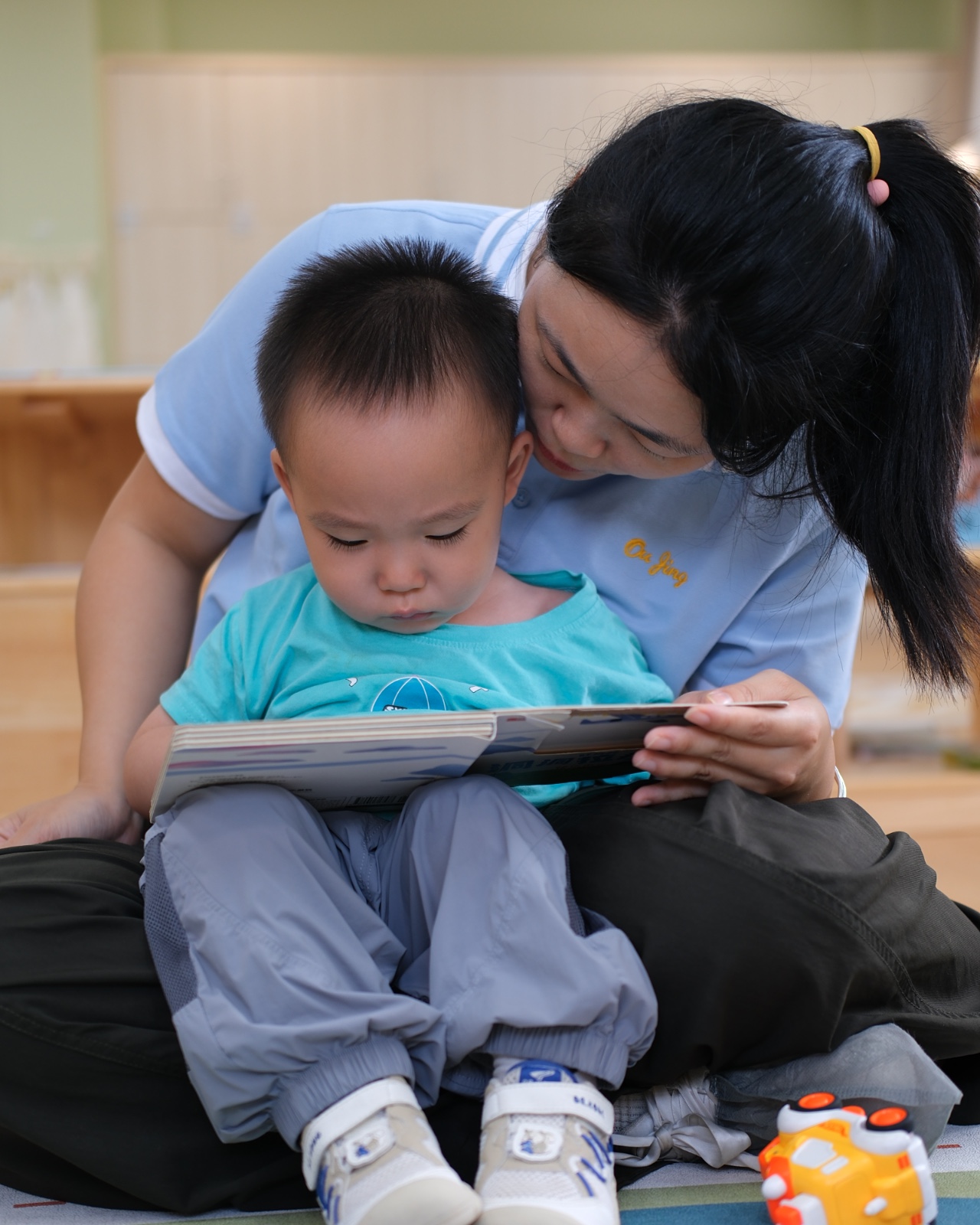
Supporting children and parents
Parents can create a brief, predictable goodbye, acknowledge feelings and explain collection time. Teachers use play, companionship and care to build familiarity, adjusting gradually to the child.
Items and documents to prepare
Family information lists spare clothes, indoor shoes, name labels, water bottles, towels and personal feeding equipment as needed. The school supplies current health, vaccination, agreement and admission document requirements. This website does not collect sensitive children’s records.
Starting with specific questions
Families can discuss feeding, sleep, emotions and interaction with caregivers, involving supervisors or the principal when needed. For disagreements, first understand events, then support expression, waiting and relationships.
A guide for families
Agreeing on a settling-in pace that responds to your child
Before a child starts, Xingmeng talks with the family about routines, feeding, preferred ways of being comforted and anything requiring particular attention. Gradual settling in begins with short periods of getting to know the setting and caregivers. Time at nursery increases in response to eating, sleep, emotions and interaction. There is no promise that every child will settle within a fixed number of days.
Families can ask which options, such as full-day or half-day care, are currently available, then discuss a settling-in plan together with the nursery. Everyday communication focuses on specific observations. Families first discuss concerns with the child’s caregiver; a supervisor or the principal can help when needed.
Questions to explore during your visit
- How does your child fall asleep, express needs and accept comfort at home?
- Which observations guide changes to the time spent at nursery, and how do families and teachers communicate?