OUJING KINDERGARTEN
IB PYP and our curriculum
A question can begin a child’s exploration of the world.
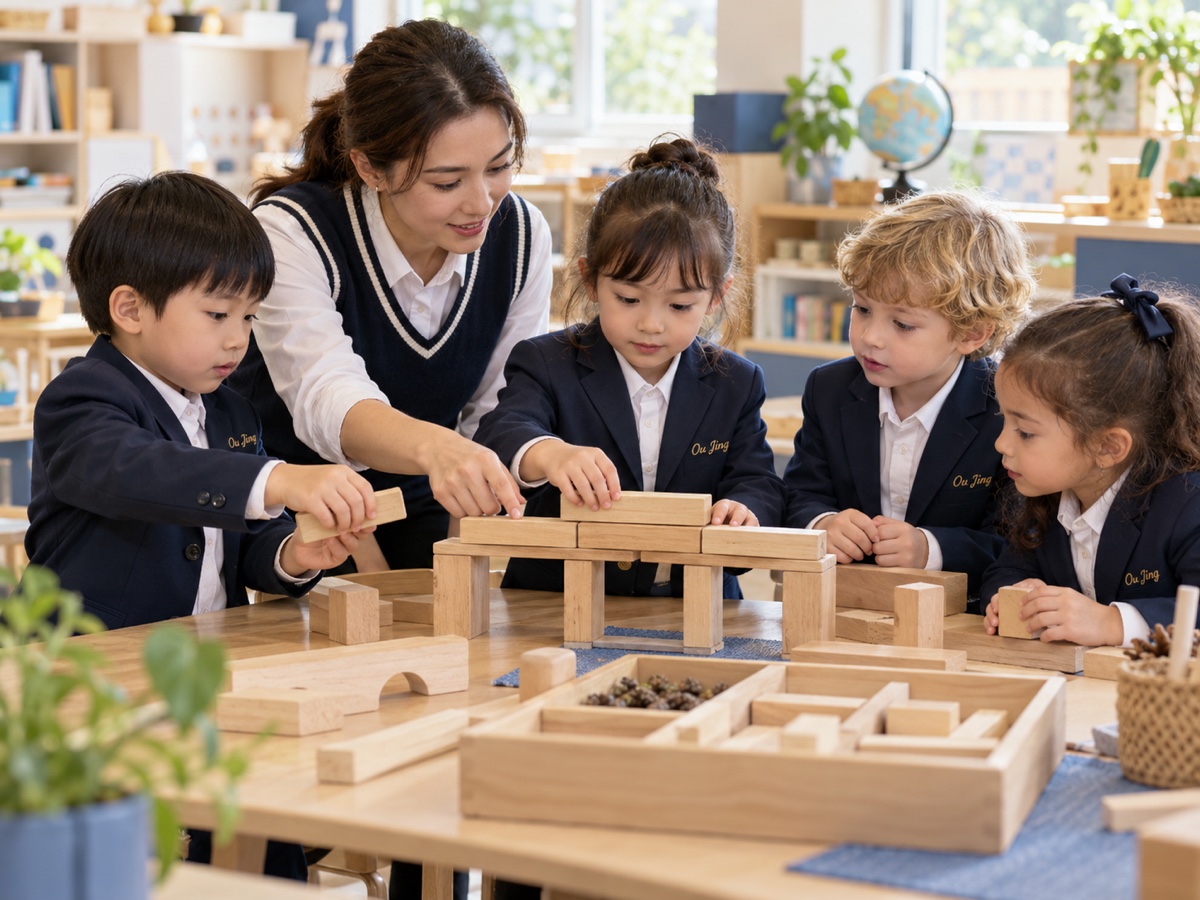
Oujing’s IB PYP journey
Oujing began its IB PYP application in 2014 and received authorization on 4 June 2018 after four years of preparation and development. IB school code: 051459.
Oujing was the eleventh kindergarten in China and the second in Zhejiang to receive IB PYP authorization.
View the official IB authorization record ↗
This milestone continues to inform curriculum development, inquiry, cooperation and international understanding at Oujing.
Understanding IB PYP through its international origins
IB stands for International Baccalaureate. Founded in Geneva, Switzerland in 1968, its early development responded in part to internationally mobile families, including diplomats, seeking an internationally recognized upper secondary education pathway.
Early years PYP does not teach upper secondary content in advance. Launched in 1997 for learners aged three to twelve, it values inquiry, conceptual understanding, learner agency and international understanding.
Families can consider whether children ask questions, explain ideas, cooperate and reflect. Oujing aims to connect these directions with China’s five early childhood learning areas and children’s everyday lives.
Curiosity begins learning
Why do puddles appear after rain? How do plants grow? How can friends complete something together? Everyday questions can lead to observation and discussion.
We encourage observation, questions, exploration, experimentation, conversation and reflection.
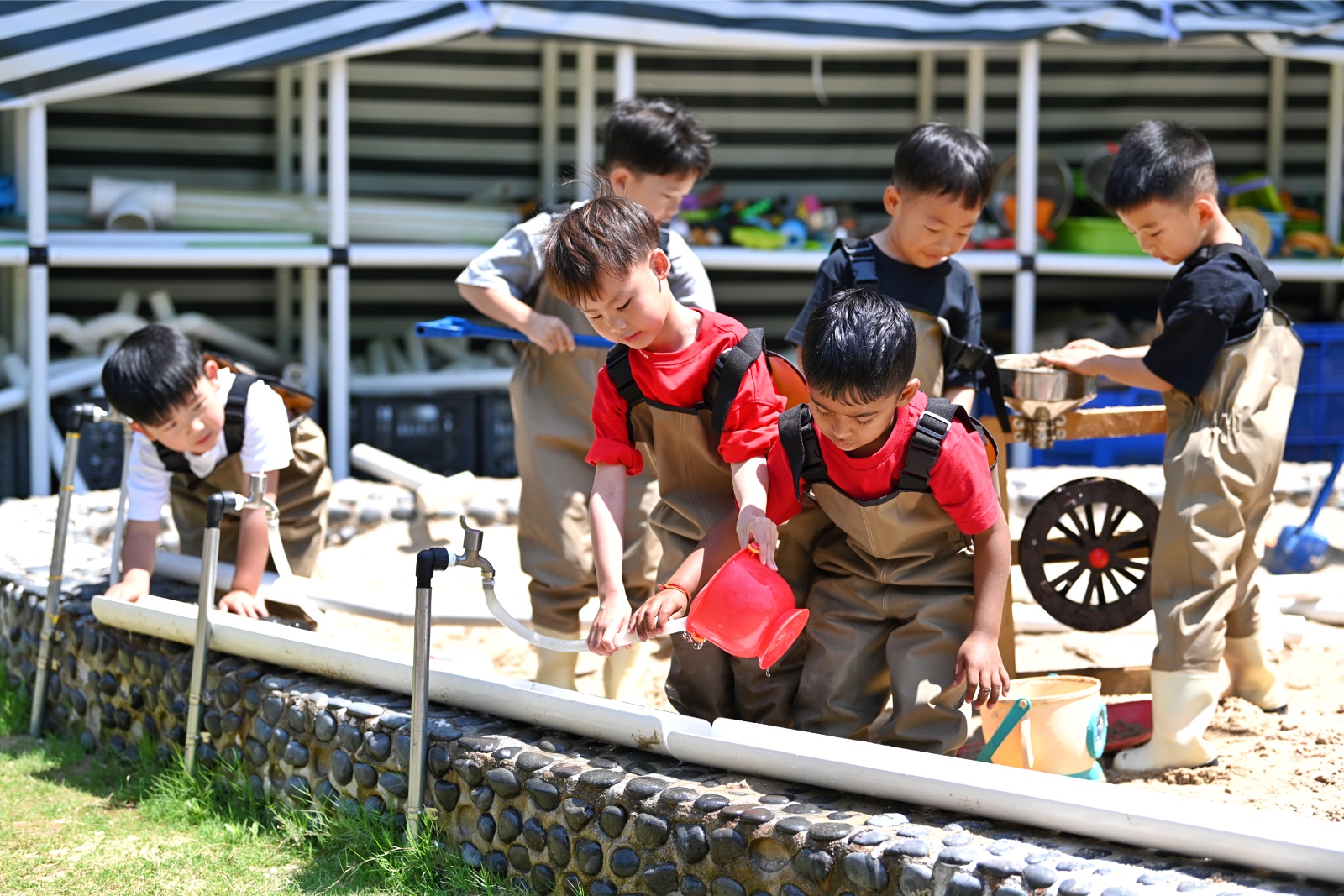
Understanding the PYP’s approach to inquiry
IB PYP values inquiry, conceptual understanding, learner agency and transdisciplinary learning, supporting the whole child.
This page introduces inquiry processes, learning areas and children’s active participation.
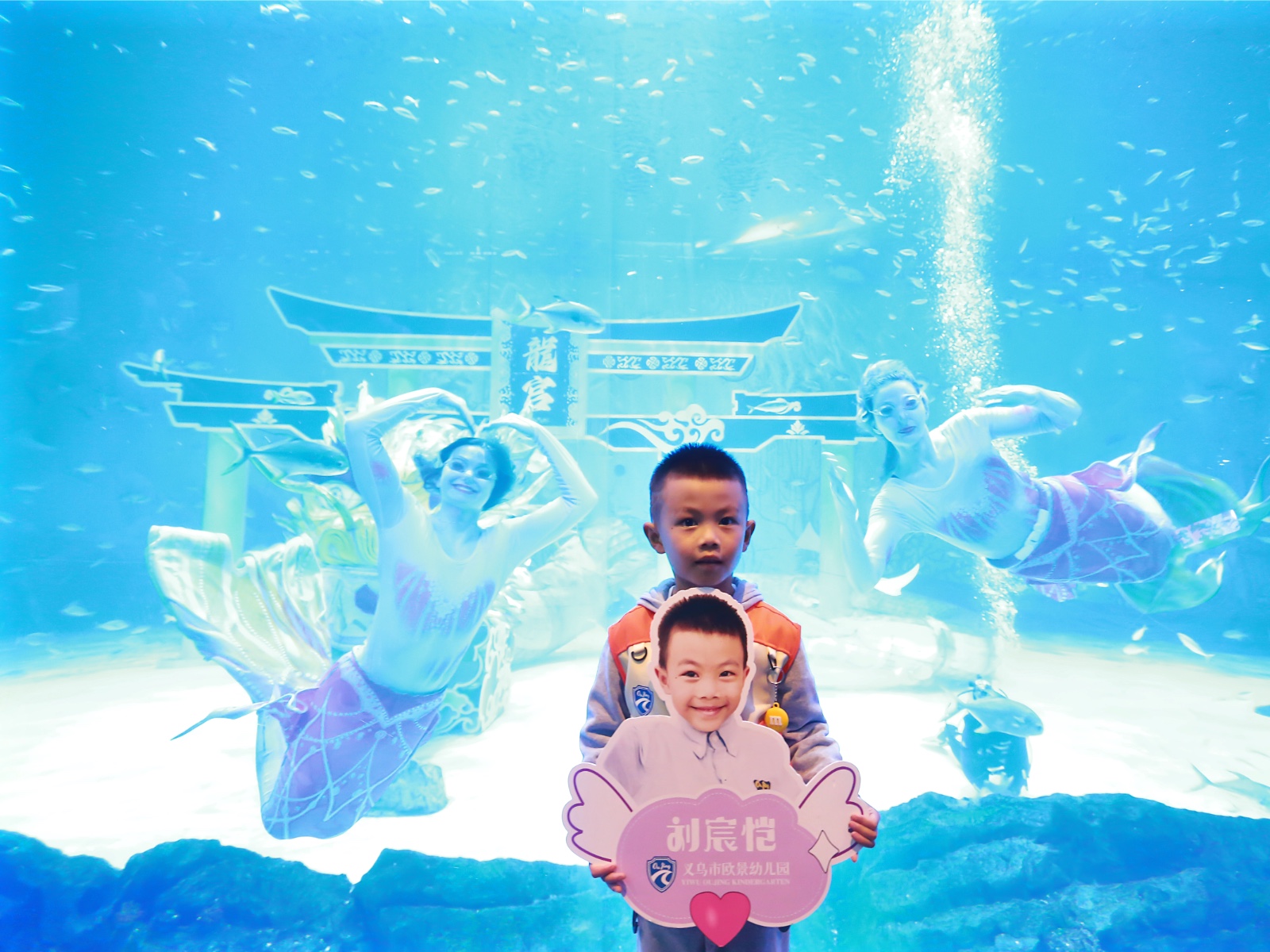
Connecting with the five learning areas
Health, language, social development, science and art can connect through meaningful questions.
Around a question, children may observe changes, read picture books, share discoveries, discuss and create together. These scenes illustrate curriculum organization rather than a recorded lesson.
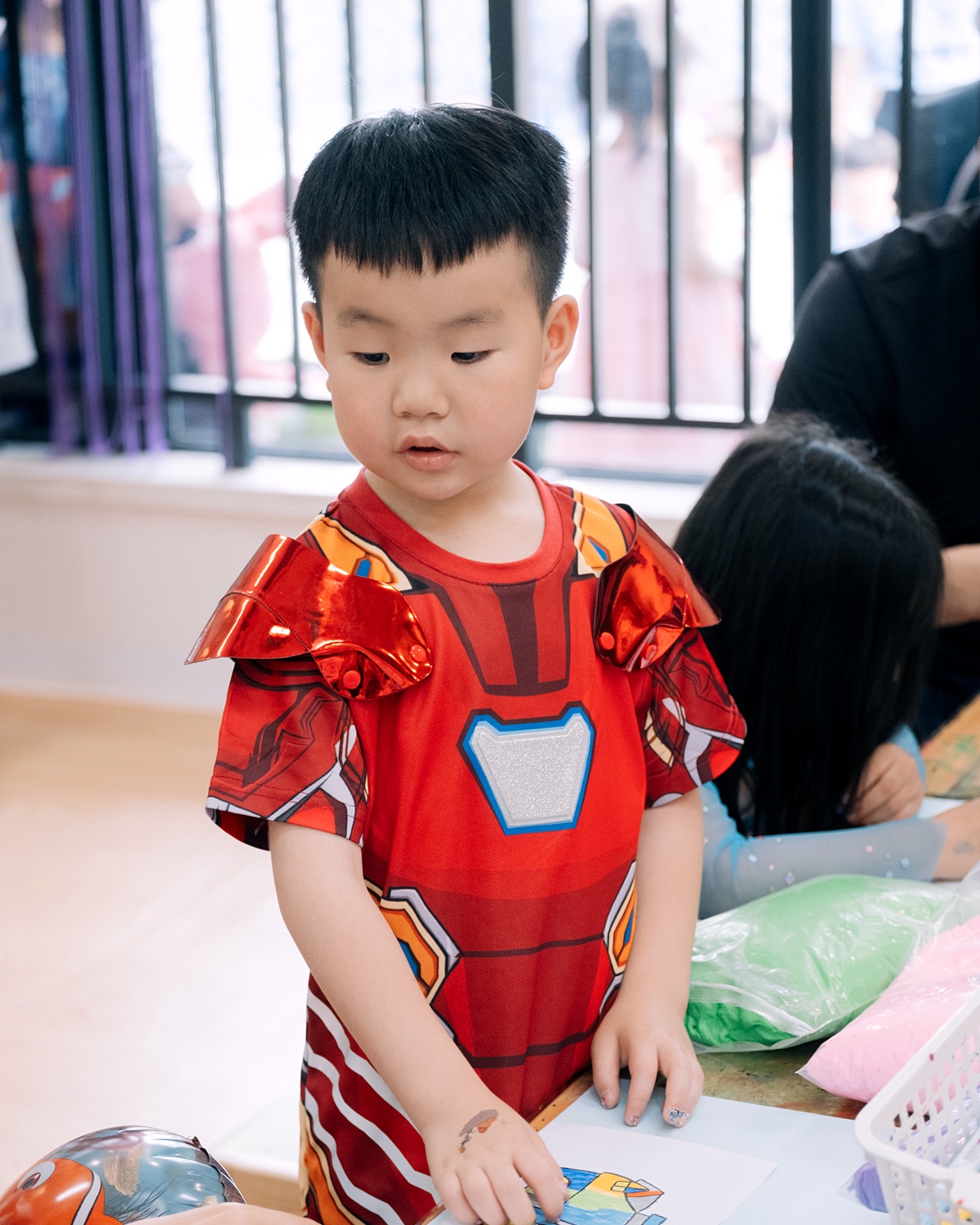
Observation, expression and exploration
Children notice questions in everyday phenomena and express ideas through language, drawing, movement and creations. Hands-on experience helps them form judgements and adjust approaches.
Cooperation develops listening, sharing and ways of resolving differences. Reflection helps children discover that a question may have more than one answer.
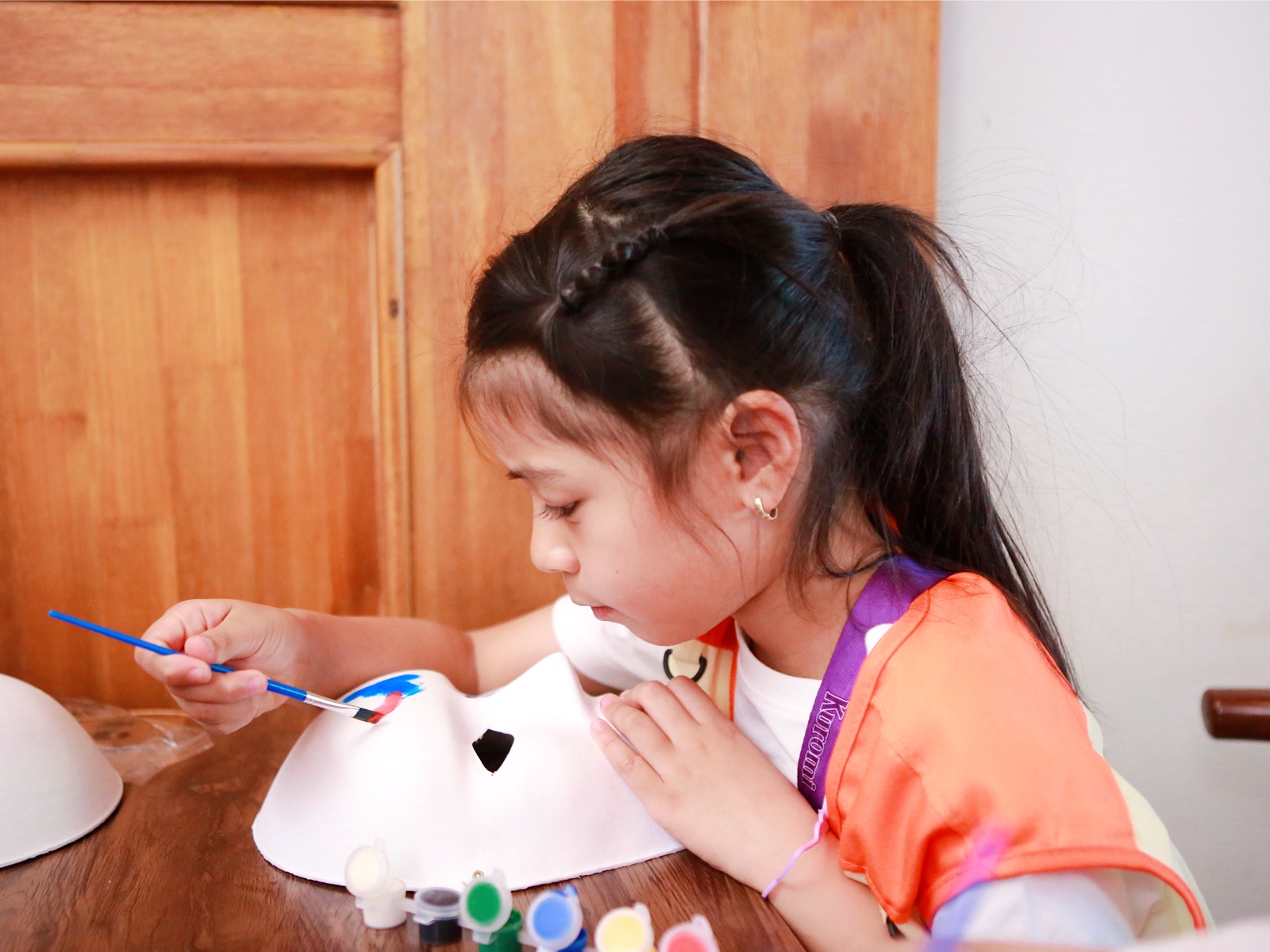
Chinese culture and an international outlook
An international outlook can build on local culture. We value Chinese language, culture and experience while helping children encounter different forms of expression and understand the world through knowing themselves.
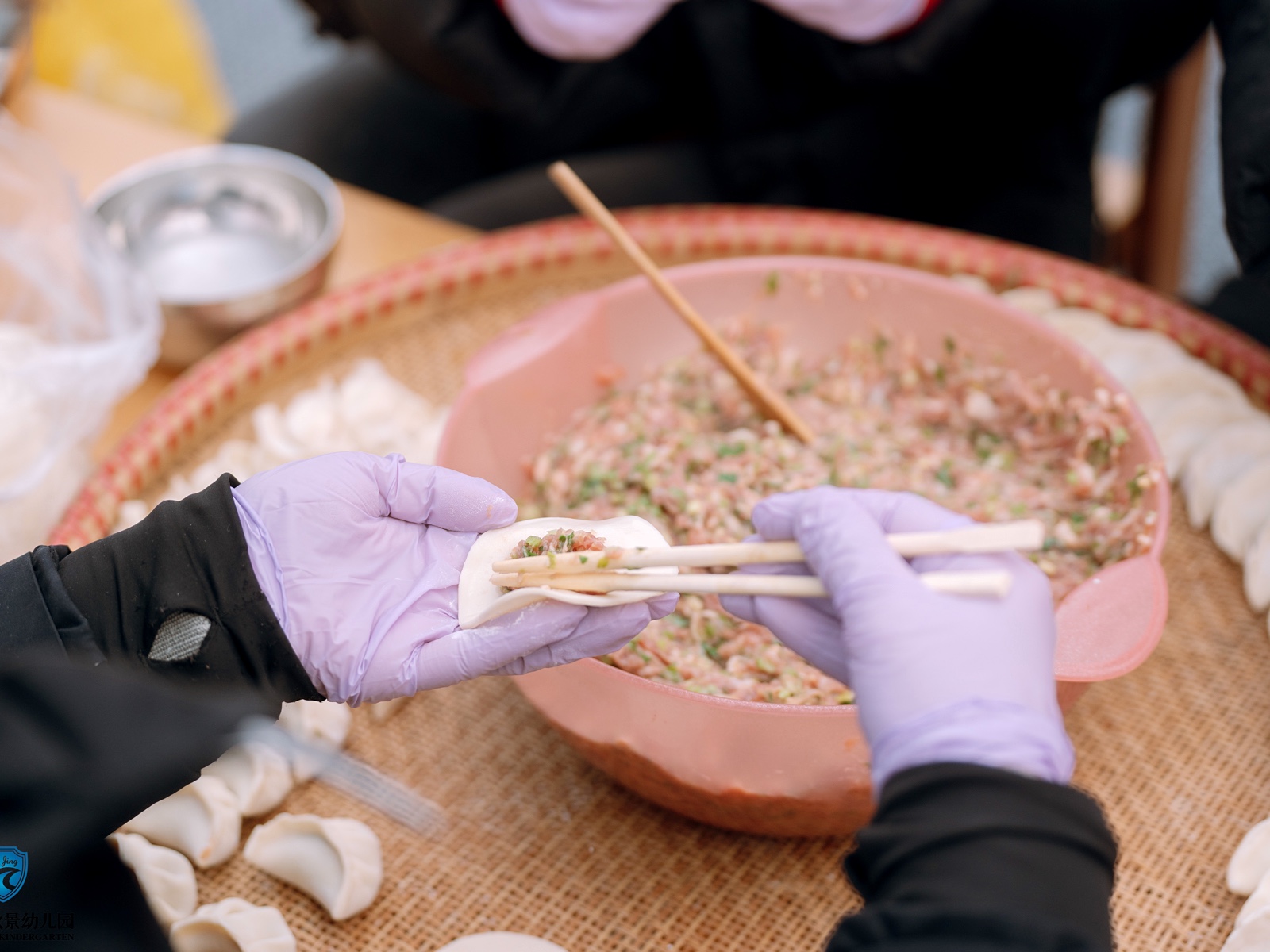
A guide for families
From authorization records to the process of inquiry
Oujing began its IB PYP application in 2014 and received authorization on 4 June 2018. The school confirms that Oujing was the eleventh kindergarten in China and the second in Zhejiang to receive IB PYP authorization. Its official IB school code is 051459.
To understand the curriculum, families can connect children’s questions, attempts and conversations on campus with experiences beyond it. Oujing’s learning journeys have included Singapore, Hong Kong–Macao–Zhuhai and northeastern China. Teachers accompany the children who travel, while children staying at kindergarten explore related themes through the setting, food and activities during the same period.
Questions to explore during your visit
- What question begins an activity, and what opportunities do children have to try things and express their ideas?
- How are themes at kindergarten linked with learning journeys, and how do children who stay at kindergarten take part?
FURTHER READING
You may also be interested in
Choose a topic to explore further.
Young explorers discovering a wider world
Oujing’s learning journeys include Singapore and destinations across China. Parents do not accompany the trips, giving children opportunities for independence, communication and cooperation. Children remaining at school explore related themes through environments, food and activities.
Explore Oujing’s learning journeysSources and further information
IB official directory: Oujing and its authorization date · IB official information: the PYP’s origins and framework · IB-published research: early IB background, main text page 9
Questions about IB PYP
Is IB PYP a set of English textbooks?
PYP is a curriculum framework emphasizing inquiry and connections between learning areas. Textbooks or teaching language alone do not define it. The school’s actual materials and languages should be explained through its curriculum arrangements.
Does inquiry mean leaving children to play on their own?
Teachers prepare an appropriate environment, observe children, demonstrate and offer support. Children can explore actively with the guidance they need.
Will teachers tell children answers directly?
Teachers can explain and demonstrate, or support exploration through questions and materials. They choose according to understanding, safety and emotional needs; children need not discover every answer independently.
How does IB PYP connect with the five areas of early childhood education?
Oujing aims to connect health, language, social development, science and art through real questions while considering each area’s needs. Actual integration should be explained through plans and records.
How do English education and the IB curriculum differ?
English education focuses on understanding and using language. Inquiry focuses on how understanding develops through observation, trying things, communication and reflection. Language can support inquiry, but cannot replace its aims.
Does an international outlook leave less room for Chinese culture?
Oujing values Chinese language, culture and lived experience, helping children understand others while knowing themselves.
How can families see progress in inquiry?
Observe questions, attempts, expression, cooperation and adjustments in context, alongside finished work. Records and communication follow the school’s actual arrangements.
Must every child make the same finished piece?
Understanding can be expressed in different ways. Teachers consider shared goals and individual circumstances, with more to development than identical work.
When did Oujing receive IB PYP authorization?
Oujing began its IB PYP application in 2014 and received authorization on 4 June 2018. Its official IB school code is 051459.