
OUJING KINDERGARTEN
Putting children first
Phone hand-in and direct leadership participation bring attention, management and spaces closer to children.
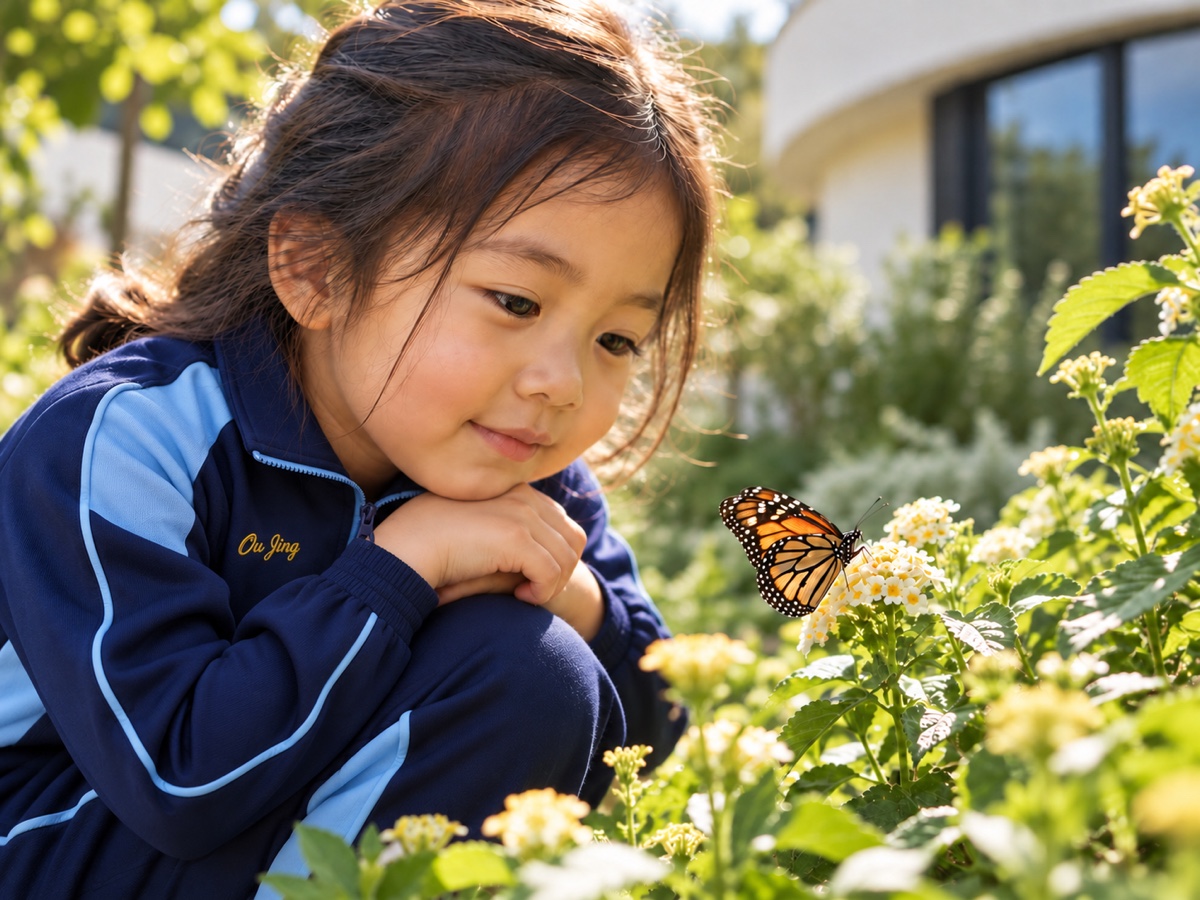
Hand in phones, keep attention with children
Teachers and other staff undertaking classroom teaching, care or related work must hand in personal phones for designated storage by the entrance.
Dedicated equipment records classroom media; essential work contact can be handled outside class. Phone management reduces unrelated distractions so adults can listen, observe and respond promptly.
Leaders and administrators must be present in education
Oujing requires the principal and administrative staff to be present in educational settings. The principal participates in teaching, administrative staff join classroom life, and leaders dine with children, learning about children’s and teachers’ needs through direct involvement.
They must know every child by name and regularly understand personality, learning and life. Presence needs to lead to real knowledge of individual needs.
Oujing removed its former separate principal and administrative offices and dining arrangements, adjusting work practices to return management’s focus to classes and children.
Designing from children’s perspectives
Fire safety and no-smoking arrangements, areas children can reach at heights below one metre, window design, stair steps, and age-appropriate floor firmness and colours all take account of children’s safety, use and visual comfort. A child-centred approach is reflected in these everyday details.
A guide for families
Connecting staff expectations with what families can observe
Teachers and other staff assigned to classroom teaching or care hand in their personal phones while doing this work. Dedicated devices are used to record classroom images. The principal and administrative staff are required to take part directly in educational practice, know every child by name and regularly learn about their personality, learning and daily life.
Oujing holds open classes and appointment visits during normal working days so families can see both the strengths and the shortcomings of real teaching. Internal expectations describe how adults should work; a visit helps families see how those expectations shape everyday interactions. Visit dates and which areas are open need to be confirmed in advance.
Questions to explore during your visit
- How do adults listen and respond when a child needs help?
- How do the principal and administrative staff get to know children through direct involvement in daily practice?
FURTHER READING
You may also be interested in
Choose a topic to explore further.
Questions about phones and management
Must Oujing teachers hand in their phones?
Yes. During classroom teaching and care, personal phones must be handed in and stored in a designated area by the classroom entrance. Clear requirements reduce unrelated distractions, keeping teachers available to listen, observe and respond.
Who must follow the classroom phone requirements?
Teachers and other staff participating in classroom teaching, care and related work. The principal and administrative staff must also store personal phones when taking part in children’s activities.
How are classroom recordings and essential work communication handled?
Personal phones and classroom recording are managed separately: phones are stored during activities, while dedicated equipment records classroom media. Necessary work contact can be handled after leaving the classroom. Recording supports education and cannot replace genuine interaction.
How can families observe focused teacher attention?
Ask about phone requirements and watch whether teachers listen at children’s level, respond promptly and join play and conversation. Oujing’s regular weekday visits allow families to see these details.
What does Oujing require of its principal?
The principal must work directly in educational settings, join classes and daily life, know every child by name and regularly understand their personality, learning and routines. This informs support and management; schedules, clothing and working practices must serve that role.
Is the principal only an administrator?
No. Administration is part of the principal’s work, but Oujing also requires direct participation in classroom teaching and daily life, knowing every child by name and regularly learning about each child’s personality, learning and everyday life. Meetings, reports and office arrangements cannot replace firsthand understanding of children and educational practice.
Why must administrative staff also work close to education?
Their work and resource decisions ultimately serve children. They must spend time in educational settings, know every child by name and regularly understand personalities, learning and life. Observation and participation connect decisions with real needs.
Must the principal and administrative staff know every child?
They must know every child by name and regularly understand their personality, learning and daily characteristics. Beyond names, observation, conversation and participation build knowledge of interests, expression, relationships and changes, allowing specific support.
Why were separate principal and administration offices and dining areas removed?
Oujing previously had these separate arrangements. They were removed and working and dining practices adjusted to bring management closer to children, encouraging more participation in class life.
What clothing requirements apply to the principal at work?
During normal work, the principal may not wear leather shoes, high heels, skirts or other clothing unsuitable for crouching, sitting on the floor, running and joining children’s movement. Clothing must support active participation in the role.
How can I see whether Oujing puts children first?
Look at specific practices: teachers hand in personal phones during classroom activities; the principal and administrative staff must take part directly in educational settings, know every child by name and regularly learn about each child’s personality, learning and daily life. Office and dining arrangements are adjusted around children, and spaces are designed from their perspective. A normal weekday visit lets families observe teachers’ responses, leaders’ participation and children’s actual lives.