
OUJING · Activities and learning journeys · Further reading
Learning journeys without parents: independence, the wider world and appreciation for family
Oujing learning journeys: independence, family and shared growth
← Back to activities and learning journeysHong Kong, Macao and Zhuhai learning journey
Exploring Hong Kong, Macao and Zhuhai through Victoria Harbour, Disneyland, the Ruins of St Paul’s and Chimelong Ocean Kingdom.
Northeast China learning journey
Exploring Shenyang, Changchun, Harbin and Snow Town, playing in the snow and sharing life on a journey with friends.
Growing in independence and appreciating family
How will children manage several days away from their parents? How will they ask for help or express needs? How will they show that they miss home?
These questions matter to Oujing. With teachers’ support, children experience group life without parents organizing everything and rediscover family relationships during a short separation.
Learning journeys bring development into real life
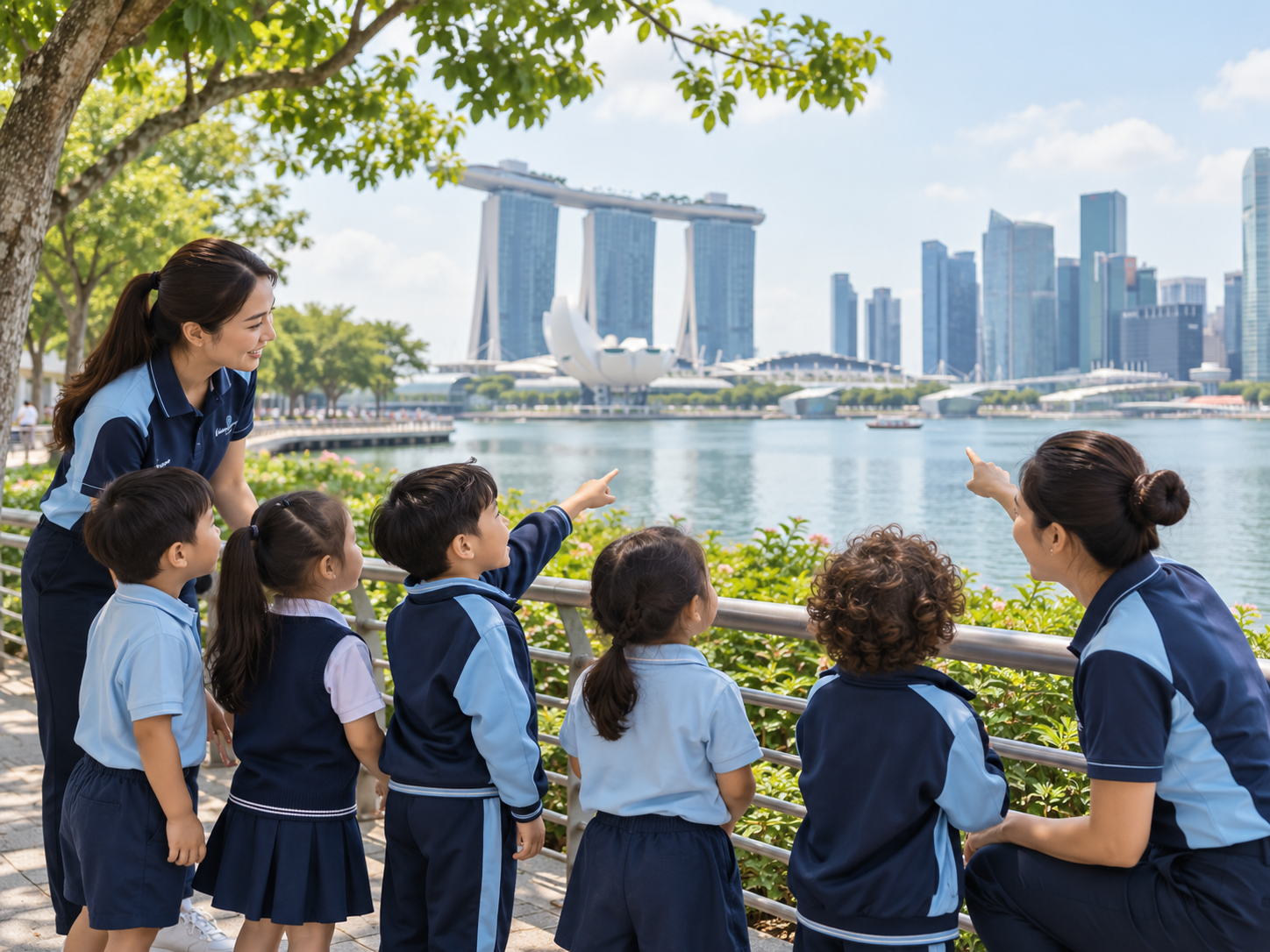
Oujing’s learning journeys have included Singapore, Shanghai, Suzhou, Changzhou, Beijing, Chengdu, Shenyang, Changchun, Harbin and Snow Town, Hong Kong, Macao and Zhuhai.
Different places provide different contexts for observing, questioning and communicating. Children practise waiting, cooperation and caring for others while travelling together. Destinations prompt exploration; children’s participation is the development we focus on.
Travelling without parents creates space for independence
Oujing’s learning journeys do not include accompanying parents, returning some tasks usually handled by adults to children.
Away from home, children try expressing needs, joining group life, getting along with friends and asking teachers for help.
Independence includes recognizing needs, trying things and seeking suitable help. Teachers remain supportive while leaving children room to act and choose.
A short separation can bring new ways to express love
Daily life can leave parents tired and children taking familiar care for granted. A few days apart can turn ordinary presence into longing, giving both a chance to appreciate each other again.
On an Oujing journey, a young girl missed home one night. A teacher suggested calling her mother, but she said, “No, I want to write a letter.” Writing gave her a way to express feelings she might not usually say aloud.
Other children thought about choosing gifts for parents and grandparents, considering their preferences and wanting to share the journey.
Children and families express separation differently. We value these natural emotions and support children in expressing care while receiving companionship and responses.
One group travels, while the whole school explores
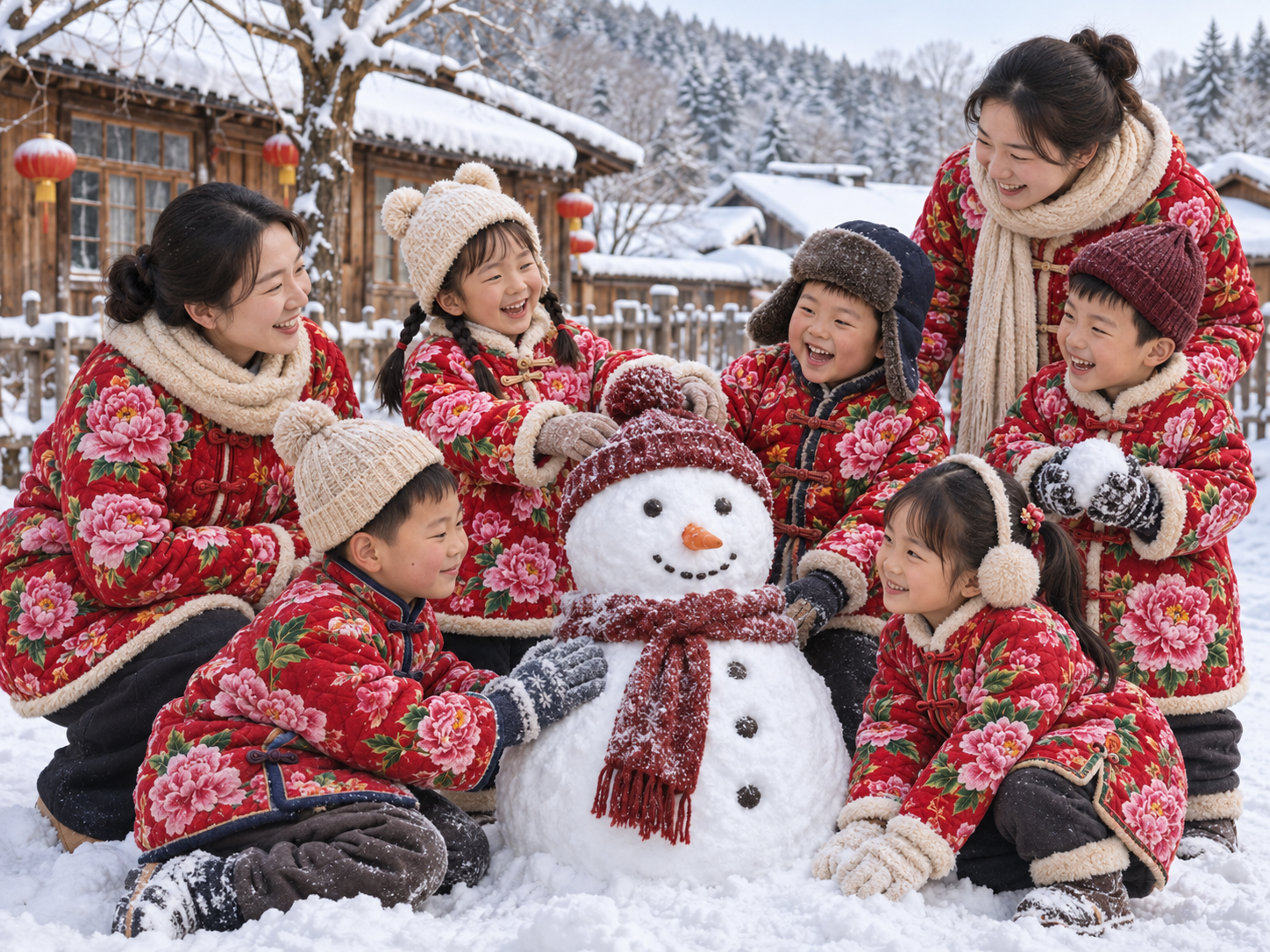
Travelling children act as young explorers in real settings. Those at school join related inquiry that week through themed environments, food and activities.
During the Northeast China journeys, the school explored snow, ice and northeastern themes; during the Chengdu journeys, giant pandas provided a focus; and during the Beijing journeys, the Great Wall and Forbidden City featured in the school environment. During the Singapore journeys, food experiences such as bak kut teh and Hainanese chicken rice introduced children to aspects of local life.
Experiences outside and learning inside school connect, including children who do not travel and reflecting the PYP’s emphasis on authentic contexts and inquiry.
The journey continues
Oujing hopes children return with confidence in handling life and a wish to express care for family, alongside memories of places visited.
Future journeys will continue to focus on independence through experience, cooperation in shared life and appreciation of companionship during brief separation.